


Views: 0 Author: Site Editor Publish Time: 2026-05-19 Origin: Site


Taking your metalworking capabilities to the next level requires serious equipment. When you move past basic grinders, finding the right tool becomes an exciting but complex journey. You need a system capable of slicing through thick steel effortlessly. Finding the perfect Inverter Air Plasma Cutter forces a major decision: should you buy a unit with a built-in air compressor, or pair a standalone machine with an external air supply?
Built-in units give you ultimate plug-and-play portability for field repairs. However, they frequently sacrifice duty cycle, maximum cutting thickness, and critical moisture control. Pairing a high-quality standalone cutter with an external compressor demands careful matching of CFM, PSI, and filtration standards. A mismatch here guarantees poor cuts and ruined consumables.
In this guide, we will break down the technical realities of all-in-one versus separate setups. You will learn how to evaluate top machines across different investment tiers. Finally, we will outline the exact specifications you need for a reliable, slag-free cutting system.
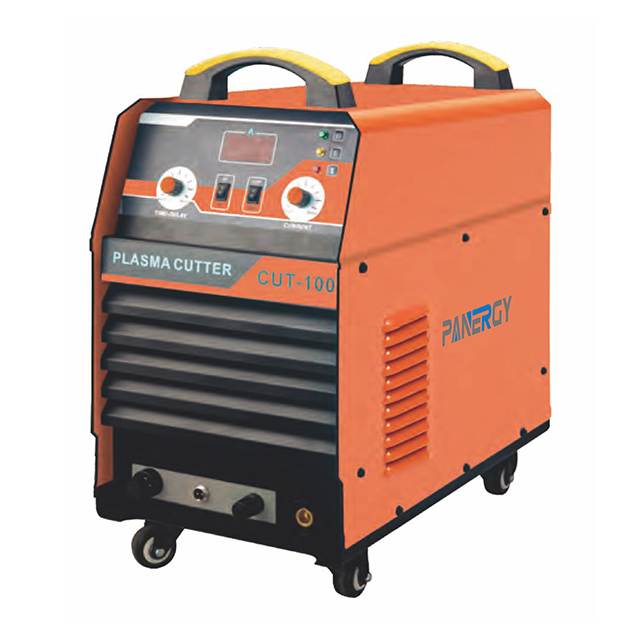
Built-in vs. External: Built-in compressors are ideal for highly portable, thin-gauge (under 1/8") field work, but lack the sustained CFM required for heavy or CNC operations.
The 1.5x Airflow Rule: When pairing an external compressor, its rated flow should be at least 1.5 times the consumption rate of the plasma cutter.
Moisture is the Enemy: Clean, dry air is non-negotiable. Without proper coalescing filters or desiccant dryers, moisture will cause severe slag and rapidly destroy consumables.
Dynamic Setting Requirement: Proper air pressure must be set dynamically (e.g., 70 PSI) while the trigger is actively pulled and air is flowing, not while static.
Choosing your equipment architecture dictates your future shop capabilities. You must weigh immediate portability against long-term power. Each approach serves a completely different type of metalworker.
Built-in units combine the power supply and air generation into one chassis. They offer incredible convenience for specific tasks. You only need one power outlet to start cutting. This eliminates the need for bulky external air hoses. Field mechanics and mobile repair technicians love this design.
However, these machines carry strict limitations. Internal compressors generate significant heat. This extra heat drastically lowers the machine's overall duty cycle. You will find yourself waiting for the machine to cool down frequently. Furthermore, these integrated compressors lack high-volume output. You remain limited to cutting thinner gauge materials. Finally, maintenance becomes complicated. If the internal compressor fails, the entire machine requires factory service.
Standalone setups separate the electrical arc generation from the air supply. This is the undisputed performance play. An external compressor provides scalable air volume. You can confidently tackle thick-plate cutting up to one inch or more. External systems also allow for superior moisture filtration options. If you plan to build a CNC plasma table eventually, a standalone machine is mandatory.
Implementing this setup requires careful planning. You must calculate available shop space accurately. Standalone systems require dual power circuits. You need one dedicated circuit for the cutter and another for the compressor. You must also plan for rigid air-line plumbing across your workspace.
Feature | Built-In Systems | Standalone Pairings |
|---|---|---|
Portability | Excellent. Grab-and-go design. | Poor. Requires fixed shop infrastructure. |
Duty Cycle | Low. Overheats quickly during continuous use. | High. Dedicated cooling for both components. |
Cutting Capacity | Thin gauge materials (typically < 1/8"). | Thick plate capabilities (up to 1"+). |
Filtration Setup | Minimal to none. High risk of moisture. | Advanced. Supports desiccant dryers. |
The market offers countless options. Price tags range from two hundred to over two thousand dollars. We divide the market into three distinct tiers. Understanding these tiers helps you align your budget with your actual needs when selecting a reliable Inverter Air Plasma Cutter that can withstand your specific shop demands.
Tier 1: "Buy Once, Cry Once" (Industrial/Pro)
This tier targets hardcore fabricators and heavy shop users. If you run CNC automation, you must shop here. When evaluating these machines, look for verified duty cycles. Do not accept marketing fluff. You want robust post-sale support. Premium brands offer parts availability extending fifteen years or more. These machines also feature minimal High-Frequency (HF) electromagnetic interference. High initial costs sting, but these units offer the lowest long-term expenses over a ten-year span due to superior consumable life and bomb-proof reliability.
Tier 2: The Mid-Range Sweet Spot (Prosumer/Automotive)
Automotive restoration experts and serious home garages thrive in this tier. You want a balance of price and strong support. Look for machines offering robust three-year warranties. Verify they have US-based customer service before buying. Demand dual-voltage flexibility so you can run on 110V or 220V. You must also demand standardized torch connections. An IPT40 or PT60 torch ensures you can buy third-party consumables anywhere. This prevents you from being locked into expensive proprietary parts.
Tier 3: The Budget Occasional Use (DIY/Hobbyist)
This tier suits weekend warriors perfectly. If you occasionally cut scrap metal or thin target plates, budget machines work fine. However, you face real implementation risks. Manufacturers frequently inflate duty cycle specifications. They might claim a 60% duty cycle, but reality hovers closer to 20%. The included accessories often disappoint. Expect poor original air hoses. You will likely need an immediate DIY replacement to prevent air leaks.
Certain features separate frustrating machines from capable tools. When narrowing down your final choice, scrutinize these three specific capabilities.
You absolutely need a non-touch pilot arc. This feature establishes the plasma arc in the air before touching the workpiece. It is critical for cutting rusty, painted, or dirty metals. Without it, you must grind the metal bare to establish a solid ground connection first. A high-quality Inverter Air Plasma Cutter equipped with a pilot arc punches right through surface contamination, saving you hours of prep work.
Dual-voltage machines provide excellent versatility. However, you need a reality check on performance expectations. Running on 110V offers great convenience for small repairs. Yet, expect significant performance drops. A 65-amp machine may cut like butter on a 220V circuit. Once you plug it into a 110V outlet, it will struggle significantly when pushing past 1/4-inch steel. Always use 220V for serious fabrication.
Do not underestimate the cost of consumables. Tips and electrodes wear out regularly. Avoid proprietary consumables entirely. Niche parts frequently go out of stock, halting your projects. The best machines utilize widely available, industry-standard nozzles. Check local welding supply stores. If they carry your torch parts, you have found a transparent ecosystem.
Your external air compressor acts as the lungs of your system. A weak compressor ruins a great cutter. We evaluate air setups using the Golden Triangle: flow, pressure, and filtration.
Volume matters more than raw pressure. We measure air volume in CFM (Cubic Feet per Minute). Industry standards dictate a strict rule. Your air compressor's CFM output must be at least 1.5 times your cutter's stated requirement. This buffer handles sustained cutting easily.
The Baseline: A standard 65A cutter often requires 7.5 SCFM at 85 PSI.
Minimum Tank Size: A portable 10-gallon tank is the absolute minimum baseline.
Ideal Setup: A higher capacity tank (30+ gallons) prevents mid-cut pressure drops. It stops the arc from suddenly extinguishing.
Static pressure means nothing. You must set your pressure dynamically. Always set the regulator pressure while actively pulling the trigger. Air must be flowing. If the manual recommends 70 PSI, adjust the dial while the air escapes the torch. This accounts for working pressure drops.
You must also account for line loss. Output pressure at the compressor tank must be set higher than the cutter's inlet requirement. Friction inside long hoses restricts flow. Heavy filtration systems also drop the pressure. Setting the tank higher compensates for these restrictions.
Plasma is superheated ionized gas. Water destroys this delicate state. When moisture enters the air line, it disrupts the plasma arc. This causes heavy slag on the back of your cuts. Worse, water causes instant electrode deterioration. You will burn through expensive tips in minutes.
An auto-draining coalescing filter is mandatory. Place it near the machine. In high-humidity environments, standard filters fail. You should install a dedicated refrigerated air dryer. Mount it as close to the cutter inlet as possible. Dry air guarantees clean cuts and long consumable life.
Cutter Amperage | Minimum Required SCFM | Target Compressor SCFM (1.5x) | Required Filtration Setup |
|---|---|---|---|
30A (Entry) | 4.0 @ 65 PSI | 6.0 @ 90 PSI | Standard Water Separator |
45A (Mid) | 6.0 @ 75 PSI | 9.0 @ 90 PSI | Coalescing Filter (Auto-Drain) |
65A+ (Pro) | 7.5 @ 85 PSI | 11.25 @ 90 PSI | Refrigerated Air Dryer Recommended |
Setting up your workspace requires careful material selection. Poor installation ruins good equipment. Professional plumbing prevents major headaches down the road.
Plasma generation creates massive electrical noise. Budget inverter machines often produce high EMI. This interference wreaks havoc on sensitive electronics. Keep cheap machines far away from CNC controllers, computers, or digital measuring tools. Proper grounding mitigates some risk, but physical distance works best.
Never use steel pipes for your air lines. Steel rusts internally as condensation builds up. Avoid aluminum pipes in basic home setups due to sealing issues. Copper tubing remains the industry standard for fixed shop air. Copper resists corrosion and naturally helps cool the air, dropping moisture out of suspension.
Pipe diameter matters tremendously. For pipe runs under 75 feet, a 3/8-inch diameter line is sufficient. However, if your shop distance exceeds 75 feet, you must upgrade. Move to a 1/2-inch line immediately. This larger diameter prevents flow starvation at the torch.
Making your final decision comes down to a simple verdict matrix. If extreme portability is your absolute priority for field repairs on thin metals, a built-in compressor unit suffices. It gets the job done without extra gear. For all other applications, the choice is clear. If you tackle automotive fabrication, CNC projects, or cuts over 3/8-inch thick, investing in a standalone Inverter Air Plasma Cutter with a dedicated external compressor is the only reliable path.
Here are your exact next steps:
Audit your current shop power to confirm dedicated 220V circuit availability.
Check your existing air compressor specifications to ensure it meets the 1.5x SCFM rule.
Add a high-quality moisture separator or desiccant dryer to your cart alongside your new machine.
Verify your chosen torch utilizes standard, easily sourced consumables.
A: Only for extremely short, infrequent cuts on thin materials using entry-level (20-30 Amp) cutters. Pancake compressors lack the volume (CFM) to maintain the continuous flow required. This leads to the compressor running constantly, overheating, and ultimately causing the plasma arc to fail mid-cut.
A: Assuming your travel speed and amperage are correct, the most common culprit is moisture in the air supply or insufficient dynamic air pressure. Ensure you are using a desiccant filter and that pressure is verified while the air is actually flowing through the torch.
A: It varies by manufacturer. Always verify if the integrated torch uses standard IPT or PT style consumables before purchasing. Proprietary parts can become incredibly difficult to source for niche all-in-one machines, leaving you unable to work.
