


Views: 0 Author: Site Editor Publish Time: 2026-06-03 Origin: Site


Wandering, stuttering, or dropping arcs frustrate even the most seasoned operators on the shop floor. These issues rarely happen simply because you have bad technique. Instead, they often signal microscopic equipment degradation. They can also point to mismatched parameters hidden deep within your setup. Inconsistent arcs create severe operational bottlenecks. They lead to excessive spatter, poor root penetration, and high rework rates. Ultimately, these defects cause failed structural inspections. You need a reliable framework to eliminate these frustrating variables. This article provides a systematic, evidence-based guide to diagnosing complex arc issues. We will help you structure a robust preventive maintenance schedule. You will also learn how to definitively determine when your hardware—rather than the operator—is the true root cause of poor performance.
Diagnose Before Tearing Down: Many "stuttering arc" issues stem from basic hardware mismatches, such as using smooth drive rolls for flux-cored wire or underpowered 120V machines for 7018 rods.
Identify Cascading Failures: A single worn contact tip (showing "oval" or "keyhole" wear) can accelerate degradation across the entire torch assembly.
Structure by Frequency & Component: Effective maintenance requires both a time-based matrix (Daily to Annual) and a component-based approach (Power, Delivery, Consumables, Grounding).
Recognize Capacity Limits: Maintenance cannot override duty cycle limits or low-amperage thresholds; sometimes, upgrading the welding machine is the only path to consistent arc stability.
Arc stability relies entirely on consistent electrical flow. Electrical resistance acts as the ultimate enemy of a smooth weld. Oxidized grounding clamps introduce massive resistance into your circuit. Loose electrical terminals disrupt the steady flow of electrons. Contaminated cables also impede electrical transfer. These faults create unwanted electrical resistance across your entire system. This resistance causes sudden voltage drops. You experience this as erratic arc behavior at the weld pool.
Equipment degradation rarely happens in isolation. Neglecting one minor component heavily impacts the whole system. We call this a cascading failure. A small oversight initiates a chain reaction of mechanical and electrical faults. Consider how a dirty wire liner destroys your weld quality.
Dust accumulation builds up inside the wire liner over time.
This debris creates severe physical drag on the filler wire.
The increased drag causes the drive rolls to slip and grind.
Wire delivery stutters abruptly at the weld pool.
You experience inconsistent arc length and generate excessive spatter.
You might blame your gun angle. However, the true culprit is microscopic dust inside the liner. Regular maintenance prevents this chain reaction.
Regular maintenance does more than improve performance. It ensures compliance with strict safety standards. OSHA and ANSI mandate proper upkeep of industrial equipment. You must mitigate the risks of electrical shock. You also need to prevent dangerous thermal overloads. Damaged cable insulation exposes operators to lethal voltages. Clogged cooling fans cause internal transformers to overheat rapidly. Proper equipment care meets fundamental safety requirements before you even strike an arc.
Operators frequently blame themselves for dropped arcs. Yet, the equipment itself often causes the failure. You must distinguish between human error and hardware limitations. This saves hours of frustrating troubleshooting.
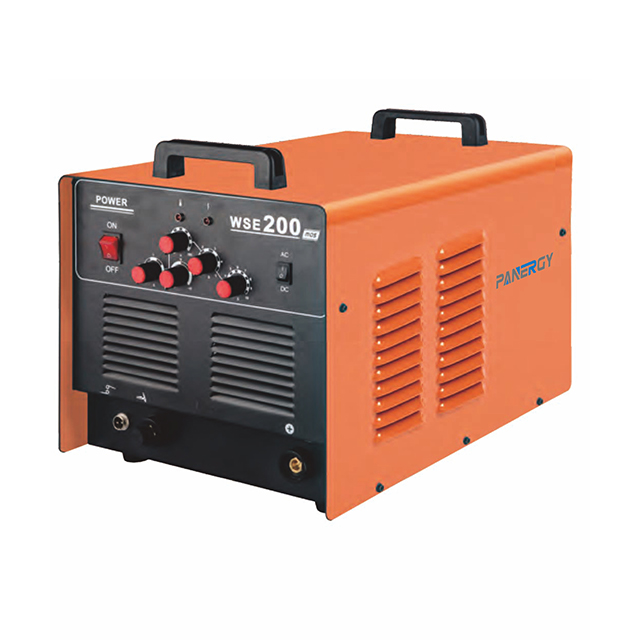
Many welders struggle to hold an arc due to underpowered equipment. This happens constantly in Stick (MMA) applications. Novice operators often attempt to run a 3/32" 7018 rod on a standard 120V machine. These smaller machines typically max out at 75 amps. The arc will drop constantly. A 7018 rod generally requires 90 to 120 amps to maintain a stable puddle. This represents an equipment capability issue. It is not an operator flaw. If you face this barrier, you likely need a robust MMA welding machine designed for higher amperage output.
MIG setups frequently suffer from a "chugging" wire feed symptom. The wire spits and stutters against the metal. You must differentiate between drive roll types to fix this. Operators must use smooth grooves for solid wire. Conversely, they must install knurled or grooved rolls for flux-cored wire. Using smooth rolls on flux-cored wire crushes the tubular structure. It also causes severe slipping.
Watch out for "birdnesting" near the drive mechanism. Rusty wire creates massive friction inside the liner. Clogged liners cause the wire to tangle at the drive rolls. This completely halts your production.
Incorrect polarity ruins arc stability instantly. Check your settings before beginning any task. You must use DCEP (Direct Current Electrode Positive) for solid wire gas-shielded welding. Failing to reverse polarity when switching from flux-cored to solid wire causes uncontrollable spatter.
Next, verify your grounding points. The work clamp must attach to clean, bare metal. Paint, mill scale, or heavy rust will cause immediate arc instability. The current struggles to punch through these insulative layers. Always grind your grounding spot down to shiny steel.
Diagnostic Matrix: Operator vs. Hardware Issues | ||
Symptom | Potential Operator Error | Likely Hardware/Machine Fault |
|---|---|---|
Constant Arc Dropping | Holding too long of an arc length. | Underpowered machine; amperage set too low for rod thickness. |
Wire "Chugging" | Moving the torch too fast. | Mismatched drive rolls; clogged wire liner. |
Excessive Spatter | Incorrect gun angle or stick-out. | Wrong polarity setting; poor ground clamp connection. |
Porosity in Weld | Welding over paint or oil. | Spatter blocking the gas nozzle; empty shielding gas cylinder. |
You need a granular, standard operating procedure (SOP) to maintain peak performance. We divide this process into specific equipment modules. This targeted approach prevents you from missing critical wear items.
Your torch consumables take the brunt of the thermal abuse. Inspect contact tips closely before every shift. Look for "oval" or "keyhole" wear patterns. The exit hole must remain perfectly round. The wire loses electrical contact the moment this hole elongates. Replace the tip immediately if you spot oval wear. Next, check the gas nozzle for spatter build-up. Heavy spatter disrupts the shielding gas flow. This turbulent gas flow directly causes weld porosity.
Keep a dedicated pair of welpers (welding pliers) to clean nozzle spatter hourly.
Dip the hot nozzle in anti-spatter gel to prevent heavy accumulation.
Never use a drill bit to clean a contact tip; this ruins the internal tolerance.
A smooth wire delivery system guarantees a smooth arc. You must clean the wire liner routinely. Disconnect the liner and blow it out using compressed air. Regulate your air pressure between 30 and 40 PSI. Blow the air from the inside out. This removes trapped metallic dust effectively. Next, check your drive roll tension. Over-tightening the tension knob crushes the wire out of shape. Under-tightening it causes the wheels to slip over the wire. Adjust the tension until the wire feeds smoothly but stops feeding when you pinch it lightly with a gloved hand.
Your main power source requires careful thermal management. You must prioritize thermal shock prevention. Always allow the cooling fan to complete its cycle after a heavy weld. Do not shut off the main power immediately. The fan needs time to extract residual heat from the transformers. Clean the internal heat sinks every few months. Use dry compressed air to blow out conductive metal dust. Dust acts as an insulator. It forces the machine to retain heat and trigger premature thermal shutdown overrides. Proper care of your welding machine ensures decades of reliable service.
Power delivery relies on tight, clean connections. Use a torque wrench on internal electrical connections where applicable. Loose connections generate severe heat. They waste valuable power and reduce your output voltage. Inspect your exterior cable jackets frequently. Look for burns, deep cuts, or exposed copper. Wrap minor abrasions with proper electrical tape. Replace any cable showing exposed copper wiring.
Ad hoc maintenance leads to unexpected breakdowns. You must formalize your maintenance schedule. Structuring tasks by frequency minimizes downtime and operational disruption.
Operators must perform quick checks before striking the first arc. This routine prevents 90% of common daily faults.
Visual Inspection: Check primary power cables and ground clamps for obvious damage.
Gas Check: Perform a quick check of gas delivery systems. Listen for hissing. Use liquid detection fluid on regulator fittings if you suspect a leak.
Clear Consumables: Clean out torch vents and remove spatter from nozzles.
Schedule dedicated time for deeper inspections. Production managers should allocate one hour per month for this.
Replace Degraded Items: Swap out worn contact tips and heavily pitted nozzles.
Drive System: Clean the drive rolls with a brass wire brush. Lubricate mechanical moving parts inside the feeder unit.
Cooling Systems: Verify coolant levels in water-cooled setups. Top off antifreeze mixtures designed specifically for welding equipment.
Complex machinery requires professional auditing. Hire certified technicians for annual inspections.
Load Bank Testing: Technicians connect the machine to a load bank. They verify that the digital readout for voltage and amperage perfectly matches the actual electrical output.
Software and Safety: Modern digital welders require firmware updates. Technicians also perform formal safety and lockout-tagout (LOTO) audits.
Maintenance Frequency Chart | |||
Frequency | Task Owner | Core Focus Areas | Expected Time |
|---|---|---|---|
Daily | Welding Operator | Nozzles, ground clamp, visual cable check | 10-15 Minutes |
Weekly/Monthly | Maintenance Lead | Wire liners, drive rolls, coolant levels | 45-60 Minutes |
Annually | Certified Technician | Load bank testing, LOTO audit, firmware | 2-3 Hours |
You will eventually reach the absolute limit of maintenance. Perfectly clean, well-maintained equipment will still perform poorly if you push it beyond its intended design. You cannot cheat the physics of a duty cycle. Pushing a light-duty machine into heavy industrial applications always results in failure.
Equipment lifespan varies based on environmental harshness. Look for these undeniable signs that maintenance no longer suffices.
First, monitor for frequent thermal overloads. The machine shuts down constantly to cool off. This happens even when you have perfectly clean air filters and heat sinks. It means you are exceeding the machine's capacity.
Second, evaluate your material requirements. You might need to weld much thicker materials now. You may also need to run specialized rods, like 6010 or 7018. These rods require a much higher open-circuit voltage (OCV) to strike properly. If your current unit provides low OCV, you will suffer from chronic arc sticking.
Third, assess repair costs. Internal circuit boards degrade over time. Eventually, replacement parts cost more than the machine's residual value. This financial threshold dictates immediate replacement.
Advise buyers to analyze key specifications before purchasing. Look for machines boasting higher duty cycles at your specific target amperage. If you weld mostly at 150 amps, buy a machine with a 100% duty cycle at 150 amps. Seek out robust internal cooling designs, such as tunnel cooling systems that isolate electronics from dirty air.
Finally, prioritize modern digital features. Look for built-in arc-force and hot-start capabilities. These features permanently solve initial arc-striking issues. They dynamically adjust the amperage during the first millisecond of the weld. This guarantees a crisp, stable start every single time.
Consistent welding arcs require highly controlled electrical resistance. They also depend heavily on smooth, frictionless consumable delivery. You cannot expect high-quality results from degraded, dirty components. Implementing a strict, matrix-based maintenance schedule serves as your highest-ROI activity. It slashes rework rates and dramatically extends equipment life.
Start improving your operations today. First, audit your current machines using the component checklist provided above. Second, discard and replace any out-of-spec consumables immediately. Finally, evaluate if your legacy machines restrict your production capacity. Upgrading outgrown hardware remains the smartest path to flawless arc stability.
A: Your arc likely drops due to a severe voltage drop. A heavily oxidized ground connection often causes this. Additionally, an underpowered machine trying to melt too thick of a rod will drop the arc. Finally, check your contact tip. A worn tip causes the wire to lose vital electrical contact.
A: Replacement frequency depends entirely on usage hours and parameters. You must visually inspect it daily. The moment the round exit hole turns into an oval or "keyhole" shape, replace it. Operating with a keyholed tip guarantees arc wandering and poor weld fusion.
A: Chugging usually stems from excessive resistance in the liner due to dust build-up. It also happens when you apply incorrect drive roll tension. Mismatched drive roll grooves cause severe stuttering. For example, using smooth rollers on tubular flux-cored wire crushes it and ruins delivery.
A: Yes. Dust and metallic shavings inside the power source act as thick insulators over the heat sinks. This causes the internal components to overheat rapidly. The machine will drop voltage to protect itself or trigger a thermal shutdown. Both scenarios directly destabilize your welding arc.
